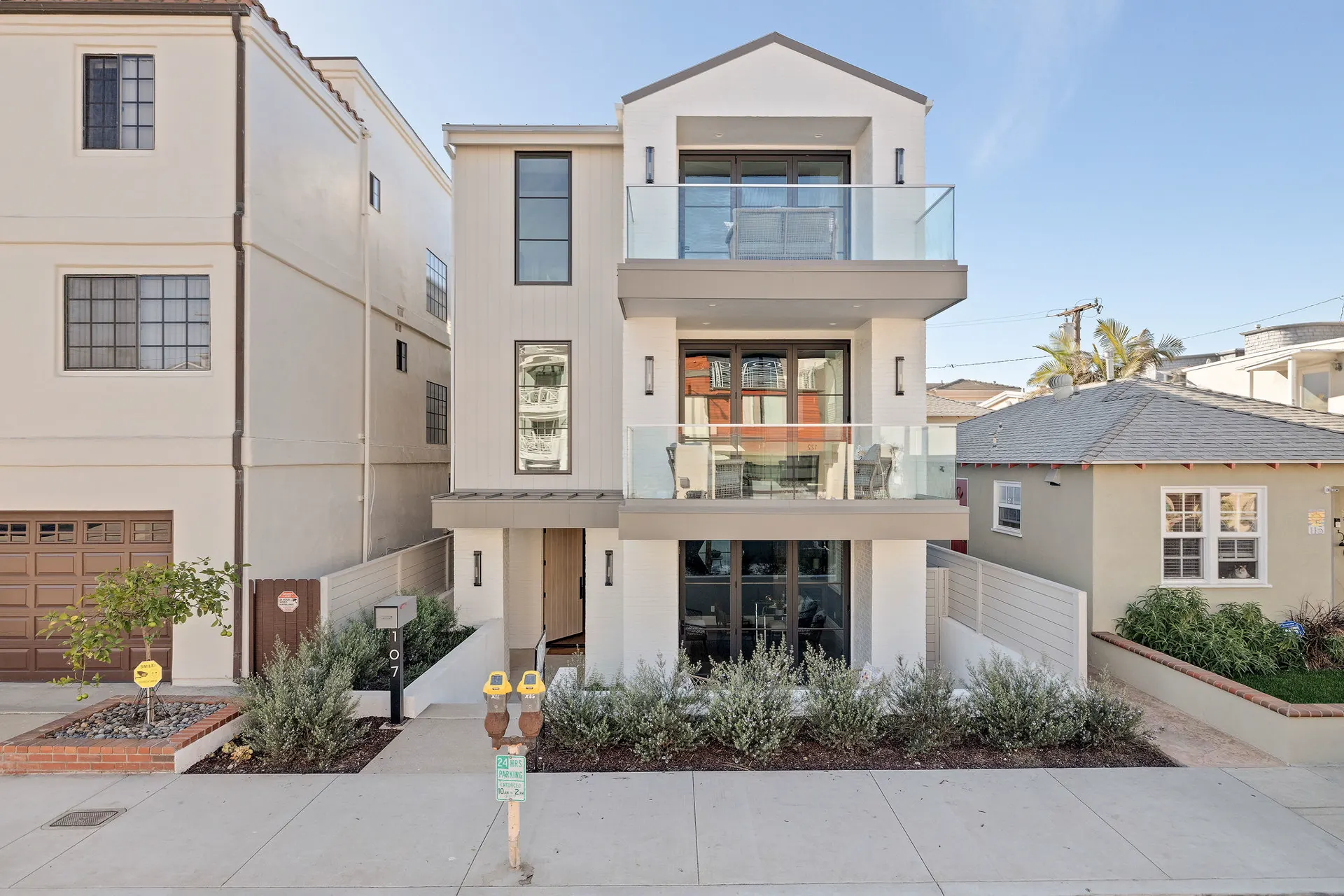
Solar used to be an easy recommendation for South Bay homeowners. Since California changed its net metering rules in 2023, it takes more careful math. Here is what I have seen on our own projects and how I would think about it today.
What Solar Did for One of Our Homes
At 45 Marguerite Dr, the electric bill ran about $1,000 a month. After solar went in, it dropped to roughly $100 a month. That is the kind of result that made solar an obvious choice for a lot of homes under the older rules.
What Changed With NEM 3.0
On April 15, 2023, California replaced net metering (NEM 2.0) with a new net billing tariff, usually called NEM 3.0. It applies to new solar systems that connect to the grid after that date.
Under the old rules, the power your panels sent back to the grid during the day earned credits close to the retail price of electricity. Under NEM 3.0, those export credits dropped sharply. Industry estimates put the average cut at around 75 percent. Systems installed before the cutoff kept the older rates.
In practice, that means:
- Solar alone pays back more slowly. Panels still offset the power you use while the sun is up, but the extra power you export is worth much less.
- Batteries matter more. Storing midday solar and using it in the evening, when grid power costs the most, is now where much of the value comes from. Batteries also add real cost to the project.
- Results like 45 Marguerite Dr are harder to repeat. A similar system installed today would likely save noticeably less unless it is paired with storage and sized to the home’s own usage.
When Solar Still Makes Sense
Solar can still be a good investment, especially if:
- Your electric use is high, for example from an EV, a pool, or an all-electric home.
- You use a lot of power during the day, so less of your production gets exported at the lower rate.
- You plan to stay in the home long enough to reach payback.
- You are building new or replacing a roof anyway, which lowers installation cost.
It makes less sense if your usage is low, your roof is shaded or small, or you expect to sell in a few years.
Solar and Resale
From the broker side, buyers in the South Bay increasingly ask about solar, but owned systems and leased systems are very different at sale. An owned system is an asset. A lease has to be transferred to the buyer or paid off, and that can complicate escrow. If you are adding solar to a home you may sell, owning it outright is usually cleaner.
Get the Numbers for Your Home
Every home’s usage, roof, and plans are different. Levine Homes Real Estate and Construction can help you decide whether solar fits your build, remodel, or purchase. Call (310) 796-9088.
Planning a new home? Read about our custom home building process.